Joe Kennedy
[email protected]
Business Development Manager
(561) 802-7972
Joe Kennedy
What are the benefits of virtual health care?
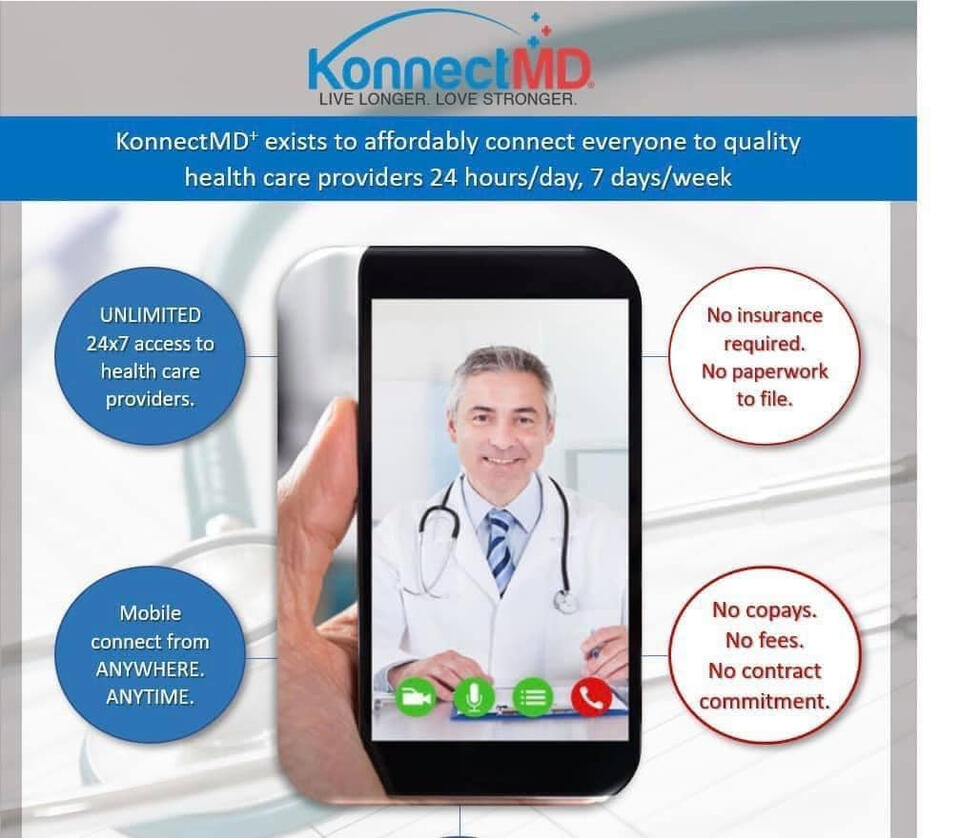
Virtual healthcare, also known as telemedicine or telehealth, refers to the delivery of health-related services and information using digital communication technologies such as video conferencing, messaging, and remote monitoring. Here are some of the benefits of virtual health care:
Increased access to healthcare: Virtual healthcare eliminates geographical barriers, making healthcare more accessible to individuals who live in remote or underserved areas.
Convenience: Virtual healthcare allows patients to receive care from the comfort of their homes, eliminating the need to travel to a healthcare facility, saving time and money.
Cost-effective: Virtual healthcare services can be more cost-effective than traditional in-person visits since they can reduce the need for hospitalization, office visits, and transportation costs.
Improved patient outcomes: Virtual healthcare allows for more frequent and timely monitoring of patients, leading to improved health outcomes and a reduced need for hospitalization.
Better continuity of care: Virtual healthcare allows for better communication and coordination between healthcare providers, leading to better continuity of care and improved patient outcomes.
Increased patient engagement: Virtual healthcare can empower patients to take control of their health by providing them with the tools and resources they need to manage their conditions.
Overall, virtual healthcare has the potential to improve healthcare outcomes, increase access to care, and reduce healthcare costs.